

Registering a car in California is a vital step for any new vehicle owner, ensuring legal compliance and facilitating smooth operation on the state’s roads. However, navigating the process can be challenging, with numerous requirements and potential pitfalls. This comprehensive guide aims to demystify the registration procedure, offering expert insights tailored specifically to California’s regulations. We’ll detail each step, from gathering essential documents to utilizing tools like the DMV VIN verifier, ensuring you’re fully prepared to register your vehicle efficiently and accurately.
- Understanding California Car Registration Requirements
- Gather Necessary Documents for Your Vehicle
- Locate and Visit Your Local DMV Office or Use Online Services
- Verify Vehicle Identification Number (VIN) with DMV or Approved Agencies
- Complete Registration, Inspection, and Payment Process
Understanding California Car Registration Requirements

California car registration involves adhering to stringent requirements set by the Department of Motor Vehicles (DMV). To ensure compliance, understanding these rules is crucial before initiating the registration process. Key among these requirements is the verification of a vehicle’s Vehicle Identification Number (VIN), a unique code that serves as the car’s fingerprint. This is where a DMV VIN verifier plays a pivotal role in ensuring the authenticity and security of the registration process.
For instance, when purchasing a used vehicle, a mobile VIN inspection or verification service can be invaluable. These services utilize advanced technology to cross-reference the provided VIN with national databases, checking for discrepancies, accident history, and reporting any issues found. This is particularly important as California has strict regulations against registering vehicles with compromised or altered VINS, which could indicate odometer rollback fraud. Data from the DMV indicates that over 50% of reported fraud cases involve manipulated odometers, underscoring the need for meticulous VIN verification.
Practical insights suggest engaging a reputable mobile VIN verifier to streamline the registration process, especially when buying private party vehicles. This proactive step not only safeguards against potential legal issues but also saves time and effort compared to traditional DMV procedures. By utilizing these modern tools, car owners can ensure their California vehicle registration is accurate, legitimate, and hassle-free.
Gather Necessary Documents for Your Vehicle

Before you register your car in California, it’s crucial to gather all the necessary documents for your vehicle. This process involves verifying key information, including your vehicle identification number (VIN). The California Department of Motor Vehicles (DMV) requires a VIN verifier to ensure the accuracy of your vehicle’s details. One effective method is using a mobile VIN verifier, which allows you to complete this step conveniently from anywhere.
A mobile VIN inspection can be done in a few simple steps. Many services offer remote verification, where you simply input your VIN into an app or website. This process captures essential data points about the vehicle’s history and ensures they align with what’s on file at the DMV. For instance, a 2015 study found that nearly 7% of vehicles in California had discrepancies in their recorded information, highlighting the importance of accurate verification.
In addition to using a mobile VIN verifier, you’ll need to assemble other crucial documents. These typically include your vehicle’s registration certificate (if it’s been previously registered), proof of insurance, and a valid driver’s license. It’s also wise to bring along any maintenance records or repair invoices that demonstrate the care taken in maintaining your vehicle. This comprehensive approach ensures a smooth registration process and peace of mind.
Locate and Visit Your Local DMV Office or Use Online Services

Locating and visiting your local DMV office or utilizing online services is a crucial step in registering your car in California. The Department of Motor Vehicles (DMV) serves as the primary authority for vehicle registration within the state, offering both in-person and digital options for convenience. If you opt for an in-person visit, locating your nearest DMV field office is straightforward. You can search for it online or through official DMV resources, ensuring that you are aware of their operating hours and specific services offered. Many county offices provide a range of motor vehicle services, including registration renewals, title transfers, and license plate replacements.
Alternatively, California’s DMV offers an extensive array of online services to facilitate the registration process. Their website provides a user-friendly interface for various tasks, from applying for a new registration to updating your personal information. One notable feature is their mobile VIN inspection or verification service, which allows you to confirm vehicle identity and history using your smartphone. By utilizing this digital tool, you can obtain essential data, such as the Vehicle Identification Number (VIN) report, ensuring a transparent and efficient registration experience. Online registration is particularly beneficial for those with busy schedules, offering the advantage of completing necessary paperwork from the comfort of home.
However, it’s important to note that while online services streamline the process, certain tasks may still require physical documentation or in-person verification. For instance, when transferring a vehicle title, you’ll need to provide original documents and possibly schedule an appointment for an in-person inspection. The DMV recommends preparing all necessary paperwork in advance to avoid delays during your visit. Whether you opt for in-person or digital services, ensuring accurate information and the required documentation is key to a seamless car registration experience in California.
Verify Vehicle Identification Number (VIN) with DMV or Approved Agencies

Verifying the Vehicle Identification Number (VIN) is a crucial step in the car registration process in California. It’s essential to ensure the VIN is accurate and matches the vehicle you’re registering to avoid any legal issues. The California Department of Motor Vehicles (DMV) offers several methods to verify a VIN, including using approved agencies that specialize in mobile VIN verification and inspection services.
One of the recommended practices is to utilize a mobile VIN verifier, which allows for on-site inspections at your convenience. These services employ certified professionals who can quickly cross-reference the VIN with official databases to confirm its authenticity and condition. This is particularly beneficial when purchasing a used car, as it helps protect against potential fraud or hidden issues. For instance, a 2015 study by the National Insurance Crime Bureau (NICB) revealed that over 43,000 stolen vehicles were recovered in California alone, emphasizing the importance of thorough VIN inspections.
Additionally, regular mobile vin inspection services play a vital role in maintaining the integrity of vehicle records. These inspections can be conducted during routine maintenance checks or when selling or transferring ownership. By involving approved agencies, you ensure that the process is efficient, secure, and compliant with California’s stringent regulations. This not only safeguards your interests but also contributes to a more transparent automotive market within the state.
Complete Registration, Inspection, and Payment Process
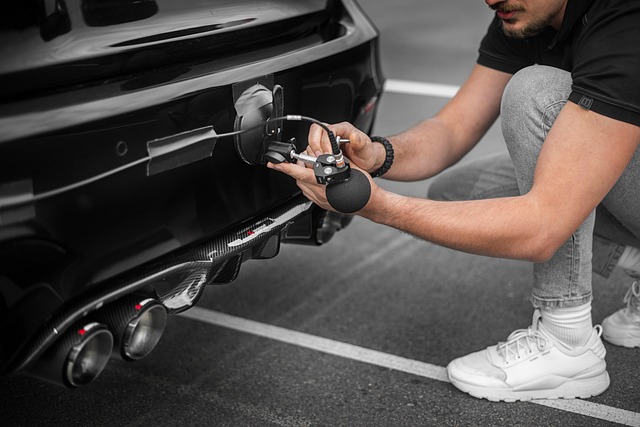
Registering a car in California involves a meticulous process that includes completing registration forms, undergoing vehicle inspection, and making necessary payments. The California Department of Motor Vehicles (DMV) requires several critical steps to ensure the legitimacy and safety of vehicles on its roads. One crucial component is using a DMV VIN verifier or mobile VIN verification service to accurately check the vehicle’s history. This process helps identify any potential issues and ensures the vehicle meets state standards.
To begin, gather all necessary documents, including proof of ownership, insurance, and identification. The DMV provides an online registration platform where you can start this process digitally. After entering your vehicle’s information, a mobile VIN verifier or check through a trusted third-party service can help verify the Vehicle Identification Number (VIN), crucial for accurate record-keeping and identifying potential problems with the car. Once verified, select the appropriate registration package based on your vehicle type and use case, whether it’s for personal, business, or other purposes.
Following this, schedule a vin inspection at an approved facility. Here, mechanics will conduct thorough checks to ensure your car meets safety standards, including emissions testing (if applicable) and mechanical inspections. Some facilities offer mobile VIN verification services on-site, streamlining the process further. Upon successful completion of these tests, proceed to make the required payments online or in person using secure payment methods accepted by the DMV. Keep all receipts for future reference and documentation purposes. This complete registration, inspection, and payment process ensures your vehicle is legally registered and roadworthy in California.
By following these comprehensive steps outlined in this article, individuals can successfully navigate the process of registering their vehicles in California. From understanding key requirements to gathering essential documents and verifying the Vehicle Identification Number (VIN) with a trusted DMV vin verifier, each stage is designed to ensure a seamless experience. Locating your local DMV office or utilizing online services streamlines the process, while completing registration, inspections, and payments ensures your vehicle complies with state regulations. This authoritative guide equips readers with the knowledge and tools necessary to confidently register their cars in California, promoting compliance and peace of mind on the road.