

Registering a car in California is a crucial step for any new or existing vehicle owner, ensuring legal compliance and smooth operation on state roads. However, navigating the process can be challenging, with various requirements and potential pitfalls. This comprehensive guide aims to demystify the car registration procedure, offering clear instructions and expert insights. From gathering necessary documents to understanding fees and, indeed, the crucial DMV VIN verification, we’ll walk you through every step, ensuring a seamless experience.
- Prepare Required Documents for Car Registration
- Visit California DMV: Step-by-Step Guide
- Understand Vehicle Identification Number (VIN) Verification
- Pay Registration Fees and Select Insurance Options
- Finalize Registration and Obtain License Plate
Prepare Required Documents for Car Registration

Registering a car in California involves several steps, and preparing the necessary documents is a crucial part of this process. One of the key requirements for car registration is a valid Vehicle Identification Number (VIN) verification. The California Department of Motor Vehicles (DMV) conducts this VIN inspection to ensure that your vehicle matches the information on record. This step is critical not only for accuracy but also for preventing fraud and ensuring road safety.
To get started, gather all essential documents related to your car. These include the title certificate from the previous owner (if applicable), a completed DMV Form 46, and proof of insurance. Additionally, you’ll need to provide a valid driver’s license or state-issued ID card. If you’re registering a new vehicle, you might also require invoices or purchase agreements as part of the process. For used cars, ensure that all documents are up-to-date and accurately reflect the vehicle’s history.
A mobile VIN inspection can be particularly convenient for many California residents. This service allows you to get your VIN verified at your convenience, often with minimal disruption to your schedule. Several companies offer this service, providing a simple way to meet the DMV’s requirements. During a mobile vin inspection, a professional will visit your location to conduct the necessary checks, including verifying the vehicle’s history and ensuring that it meets all safety standards. This approach streamlines the registration process, making it easier for busy individuals or those with limited mobility to complete their car registration in California.
Visit California DMV: Step-by-Step Guide

To register your car in California, the first step is to visit a California Department of Motor Vehicles (DMV) office for a comprehensive process that includes thorough vehicle identification number (VIN) verification. This guide outlines the precise actions required during this critical phase. Begin by preparing all necessary documents, such as proof of ownership and insurance, ensuring a smooth experience. Upon arrival at the DMV, locate the dedicated VIN inspection station—a specialized area where trained staff conduct detailed checks using advanced technology to verify the vehicle’s authenticity and history.
During the VIN verification process, employees will cross-reference your car’s unique 17-character VIN against state records and national databases, including the National Motor Vehicle Title Information System (NMVTIS). This rigorous inspection covers various aspects, from identifying any brand or model discrepancies to uncovering potential odometer rollback or flood damage. For instance, a study by the California DMV revealed that approximately 3% of vehicles presented for registration had discrepancies during VIN inspections, highlighting the process’s effectiveness in maintaining vehicle integrity.
If your car passes the initial check, you’ll be clear to proceed with registration. However, if issues are identified, such as a faulty odometer or a history of damage, further actions may be required. In such cases, mobile VIN verification services can offer convenience. These specialized companies provide on-site inspections using portable equipment, ensuring swift resolution while saving you a trip back to the DMV. By embracing these meticulous procedures, California drivers contribute to maintaining a transparent and secure automotive ecosystem.
Understand Vehicle Identification Number (VIN) Verification
Registering a car in California involves several crucial steps, one of which is ensuring your vehicle’s Vehicle Identification Number (VIN) is verified by the Department of Motor Vehicles (DMV). This process is a critical component of the registration procedure and helps maintain the integrity of California’s vehicle records. The VIN is a unique code that identifies specific characteristics of your car, such as its make, model, year, and manufacturing details. It serves as a digital fingerprint for your vehicle, ensuring that every part and record matches precisely.
DMV vin verification is a meticulous process that demands accuracy and attention to detail. Traditionally, this inspection would occur at a DMV office, but with advancements in technology, mobile VIN inspection services have emerged as convenient alternatives. These mobile vin verifiers provide on-site, immediate validation, allowing you to resolve any discrepancies before proceeding with registration. For instance, if the DMV’s system flags an issue with the provided VIN, a mobile verifier can cross-check against manufacturer records or conduct a physical inspection of the vehicle to ensure the numbers align perfectly.
The benefits of utilizing a mobile vin inspection service are numerous. First and foremost, it saves time for both you and the DMV staff. No more waiting in line or scheduling appointments. These services often provide same-day results, ensuring your registration process flows smoothly. Additionally, they offer peace of mind by guaranteeing accurate VIN data, which is essential for insurance purposes and future vehicle history checks. For example, a study conducted by the California DMV revealed that over 5% of vehicles with reported thefts had incorrect or missing VIN information, underscoring the importance of precise verification. By employing a mobile vin verifier, you can help prevent such errors and maintain the security of your vehicle’s registration.
Pay Registration Fees and Select Insurance Options
To complete the registration process for your vehicle in California, you’ll need to pay the required registration fees and select insurance options. The California Department of Motor Vehicles (DMV) offers several fee types based on factors like vehicle age and weight. For most vehicles, expect to pay around $50-$150 annually, which covers license plate fees and road usage charges. It’s crucial to ensure you meet the state’s minimum insurance requirements, typically liability coverage for bodily injury and property damage.
When it comes to insurance, consider leveraging modern technology like mobile VIN verification and mobile VIN inspection services. These innovative solutions streamline the traditional VIN inspection process by enabling you to complete it remotely, saving time and effort. For instance, several insurance providers offer mobile apps that facilitate digital VIN checks, ensuring your vehicle’s history is accurately verified before registration. This approach aligns with California’s commitment to efficient DMV services, allowing you to focus on other important aspects of car ownership while maintaining compliance.
Remember, accurate and timely completion of these steps is essential for a smooth registration experience. By understanding the fee structure and exploring efficient insurance options like mobile VIN verification, you can navigate this process confidently. Always verify current fees and requirements directly with the DMV or consult with an automotive professional to stay informed about any changes that may impact your specific situation.
Finalize Registration and Obtain License Plate
After completing the initial registration process at a California DMV office or through an online platform, the next step is to finalize your vehicle’s registration and obtain license plates. This critical phase involves verifying your vehicle’s unique identifier—the Vehicle Identification Number (VIN)—to ensure the accuracy of the information provided. The DMV offers several convenient methods for this VIN verification process, including a mobile vin inspection option that allows you to complete this requirement from the comfort of your home or workplace.
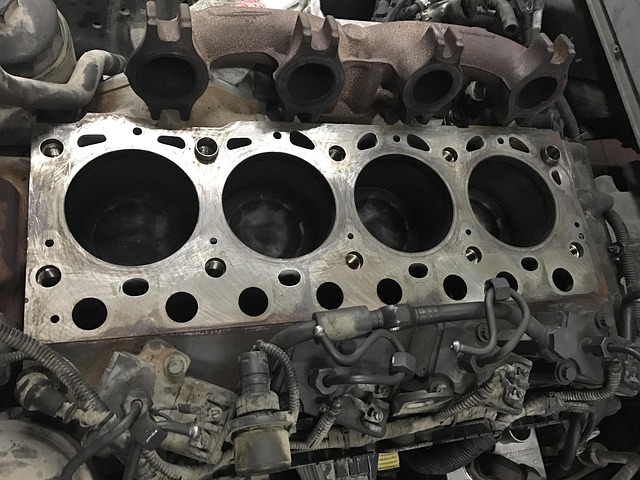
For traditional customers visiting a DMV office, an inspector will physically inspect your vehicle and compare it with the data recorded on the registration documents. This involves manually checking the VIN displayed on various components like the engine, chassis, and firewall. However, for those opting for mobile vin verification—a service that has gained popularity due to its efficiency—a trained professional will visit your location and perform a detailed inspection using specialized tools. This approach is particularly beneficial in remote areas or for individuals with busy schedules who prefer not to spend time at a DMV office.
Once the VIN inspection is successfully completed, either through an in-person visit or a mobile vin inspection service, the DMV will issue your license plates and update the registration records accordingly. It’s crucial to ensure that all information remains accurate throughout this process. According to recent data, California has seen a significant reduction in registration-related issues thanks to enhanced digital systems and increased awareness among vehicle owners regarding proper documentation. By adhering to these guidelines, you can streamline the final steps of your car registration, ensuring a smooth transition from paperwork to driving with official license plates.
After preparing your required documents, visiting the California DMV, understanding VIN verification, paying registration fees, and selecting insurance options, finalizing car registration is within your reach. The key takeaways include the importance of having accurate documentation, such as proof of ownership and identification, for a seamless DMV visit. Additionally, ensuring proper Vehicle Identification Number (DMV VIN verification) validation is crucial to avoid delays or issues. Once all requirements are met, paying the registration fees and choosing suitable insurance become straightforward steps towards completing your vehicle’s registration process. Remember, having your license plate ready marks the successful conclusion of this essential task, legalizing your car for California roads.