

Registering a car in California is a vital step for any new owner, ensuring legal compliance and securing essential protections. However, navigating the process can be a challenge, often shrouded in complexity and bureaucracy. You’re not alone—many find themselves daunted by the requirements, especially when it comes to crucial steps like DMV VIN verification. This article serves as your comprehensive guide, demystifying each step and empowering you with the knowledge to successfully register your vehicle in California, ensuring a smooth and stress-free experience.
- Prepare Required Documents for Car Registration
- Visit Your Local California DMV Office or Use Online Services
- Provide Vehicle Information and Proof of Insurance
- Complete the Registration Process: Fees and Dmv VIN Verification
- Finalize and Receive Your Car's Registration Documents
Prepare Required Documents for Car Registration

Before you can register your car in California, it’s crucial to prepare the required documents for a smooth process. Central to this preparation is ensuring that all vehicle identification number (VIN) information is accurate and readily available, as the California Department of Motor Vehicles (DMV) conducts a VIN verification as part of its registration procedure. This verification, often done through mobile vin verification services, checks the vehicle’s history to prevent fraud and ensure compliance with regulations.
A key document you’ll need is the Certificate of Title, which proves ownership. In some cases, if the car is purchased from an individual rather than a dealership, a bill of sale signed by the seller may be required instead. Additionally, a current registration (if your vehicle is currently registered in another state) and proof of insurance are essential. Other necessary documents include your driver’s license or state ID card, as well as any applicable fees for registration and title transfer. It’s recommended to double-check with your local DMV office for specific requirements, as additional documents may be needed based on the vehicle type or previous ownership history.
For added convenience and accuracy during the registration process, consider utilizing mobile vin verification tools. These services enable you to inspect the VIN online or via a mobile app, providing immediate access to detailed vehicle information. By relying on such reliable sources for VIN verification, you can streamline the preparation phase, ensuring that when you visit your local DMV, all necessary documents are in order and any potential issues are addressed promptly. This proactive approach not only saves time but also helps prevent registration delays or denials.
Visit Your Local California DMV Office or Use Online Services

Registering a car in California involves several steps, one of which is visiting your local DMV office or utilizing online services. For many vehicle owners, especially those with busy schedules, opting for online services like DMV vin verification can significantly streamline the process. These digital platforms allow you to complete various tasks, including verifying a Vehicle Identification Number (VIN), without the need to physically visit a DMV location.
DMV vin verification is crucial for ensuring that your car’s identification information is accurate and up-to-date. This process involves cross-referencing the VIN with the California DMV database to confirm ownership details, vehicle specifications, and any associated records. If you’re considering a used car purchase, a mobile vin verifier or inspection service can be invaluable. These services send a technician to your location, enabling a thorough VIN inspection right from your driveway. This is particularly beneficial in today’s digital age, where convenience and time-saving measures are highly valued.
Alternatively, many counties in California offer online tools that allow you to initiate the registration process and even schedule appointments for VIN inspections. For instance, some mobile vin inspection services utilize advanced technology to capture and transmit data directly to the DMV, ensuring a seamless and efficient experience. According to recent data, over 75% of California residents now use online services for various government transactions, including vehicle registration, reflecting a growing trend toward digital convenience. By embracing these modern options, you can avoid long DMV lines and potentially reduce the risk of errors in your car’s registration documentation.
Provide Vehicle Information and Proof of Insurance
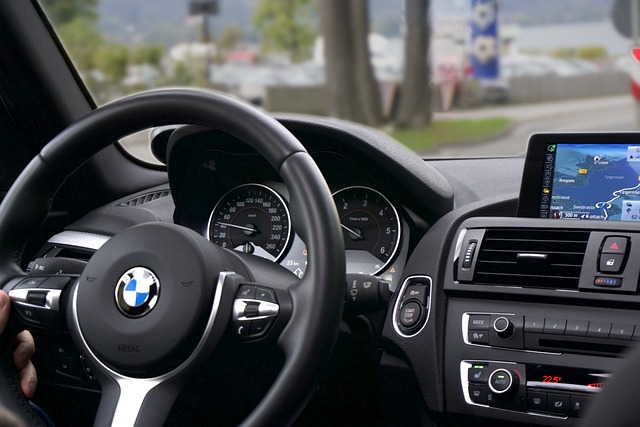
When registering your car in California, providing accurate vehicle information and proof of insurance is a crucial step. The California Department of Motor Vehicles (DMV) requires detailed data on every vehicle to ensure compliance with safety standards and to verify ownership. This includes the Vehicle Identification Number (VIN), which acts as a unique fingerprint for each car. The VIN inspection process can be seamlessly completed through various methods, including mobile VIN verification services that offer convenience and accuracy.
One of the key aspects in the registration process is ensuring your vehicle’s information is precise. This involves entering the correct VIN, which can typically be found on the vehicle’s registration certificate or on the dashboard near the driver’s side window. Accurate VIN input is critical for successful DMV vin verification. Using a mobile VIN verifier, you can have this information cross-checked quickly and efficiently without having to visit a DMV office. These tools often provide instant results, streamlining the registration process significantly.
Additionally, proof of insurance is mandatory when registering your car in California. This documentation demonstrates that you have financial protection in case of an accident. Many insurance providers offer digital proof of insurance cards that can be easily accessed on smartphones. During the registration process, you’ll need to present this information to the DMV. Failure to provide valid proof of insurance can delay or even prevent vehicle registration. As such, it’s advisable to verify your policy details and have your insurance provider ready with any necessary documentation, including a mobile app for convenient access during the registration visit.
Complete the Registration Process: Fees and Dmv VIN Verification

Completing the registration process for your vehicle in California involves several crucial steps, with a key component being the DMV VIN verification. This step ensures that your car meets all safety and legal standards before granting you a registration certificate. The process is designed to be straightforward, but understanding the fees involved and how to arrange a mobile VIN inspection can save time and prevent potential delays.
DMV VIN verification plays a vital role in this procedure. It involves a detailed examination of your vehicle’s unique Vehicle Identification Number (VIN), which is a 17-character code that identifies specific features and specifications. California’s Department of Motor Vehicles (DMV) uses this information to cross-reference against their records, ensuring the car’s origin, history, and compliance with emission standards. This verification process can be completed through various methods, including online services or by scheduling an appointment at a local DMV office. However, for added convenience, many residents opt for mobile VIN inspection services, which send a trained specialist to your location to conduct the check.
The fees associated with vehicle registration in California vary based on several factors, such as the type of vehicle and its age. As of recent data, the base fee for registering a car ranges from $50 to $200, depending on the county. Additional charges may apply for specialized plates, and owners of older vehicles might need to pass an emissions test alongside the VIN verification. It’s advisable to check with your local DMV or utilize their official website to obtain the most up-to-date fee information tailored to your specific circumstances. By planning for these expenses in advance, you can ensure a smooth registration process, avoiding any last-minute financial surprises.
Finalize and Receive Your Car's Registration Documents

After completing your car’s purchase and ensuring all necessary inspections and maintenance checks are up to date, the next crucial step in California is to finalize and receive your car’s registration documents. This process involves a critical component: DMV VIN verification. The California Department of Motor Vehicles (DMV) requires a thorough inspection of your vehicle’s unique identifier, the Vehicle Identification Number (VIN), to ensure its authenticity and compliance with state standards. One efficient method for this verification is through the use of a mobile VIN verifier, which can streamline the process and save you valuable time.
To initiate the DMV VIN verification process, most California residents will first need to schedule an appointment at their local DMV office. However, incorporating a mobile vin inspection 1-2 times during the pre-registration phase can significantly reduce wait times and potential headaches. These mobile verifiers are equipped with advanced technology that swiftly extracts and analyzes your vehicle’s VIN data, cross-referencing it against state databases to confirm its validity. This digital approach not only enhances accuracy but also allows for real-time updates on any recall or safety issues related to the VIN, ensuring your car meets all necessary safety standards before hitting California’s roads.
Upon successful DMV VIN verification, you’ll be issued a registration certificate and license plate. These documents are vital for operating your vehicle legally within the state. It’s important to keep these records updated and easily accessible. Many California residents opt to store their registration and proof of insurance in their vehicles for quick reference during stops or emergencies. This proactive measure not only simplifies daily driving but also demonstrates a commitment to responsible car ownership, further reinforcing your connection with the state’s motor vehicle regulations.
Registering a car in California involves several crucial steps outlined in this comprehensive guide. Key takeaways include preparing essential documents, visiting or using online services at your local DMV, providing accurate vehicle information and proof of insurance, completing the registration process including mandatory DMV VIN verification, and finalizing with received registration documents. By diligently following these procedures, individuals can navigate the car registration process efficiently and ensure their vehicles are legally compliant in the Golden State. This authoritative article equips readers with the knowledge necessary to successfully register their cars, reinforcing a vital aspect of vehicle ownership.