

Registering a car in California is a vital step for any new vehicle owner, ensuring legal compliance and protecting your investment. However, navigating the process can be complex, with various requirements and paperwork involved. This comprehensive guide aims to demystify the car registration journey, providing clear instructions and expert insights. We’ll walk you through each step, from gathering essential documents to utilizing reliable resources like a VIN verifier, ensuring an efficient and hassle-free experience. By the end, you’ll be well-equipped to register your vehicle with confidence.
- Prepare Your Documents for Car Registration in California
- Understand Requirements: Vehicle and Owner Information
- How to Verify a Vehicle's History Using VIN Verifier
- Visit the DMV: In-Person Registration Process
- Alternative Methods: Online and Mail-In Registration Options
Prepare Your Documents for Car Registration in California

Before you begin the car registration process in California, ensuring your documents are prepared is paramount. This involves gathering essential paperwork that verifies your vehicle’s identity and history, a process made easier with modern tools like mobile VIN inspection and VIN verifier apps. Start by obtaining your Vehicle Identification Number (VIN), which serves as a unique code for your car, much like a fingerprint. You can find this number on the vehicle’s certificate of origin or by checking the driver’s side door jamb.
For California residents, a key document is the “Application for Title and Registration.” This form requires detailed information about your vehicle, including its make, model, year, and VIN. Accurate input here is crucial as it ties into the state’s database to verify ownership and ensure the car’s history is clear. If you’re purchasing a used vehicle, obtaining a clean title from the previous owner and any relevant maintenance records can expedite the process. Additionally, proof of insurance is mandatory, demonstrating your financial responsibility for potential accidents or damages.
Consider leveraging mobile VIN verification tools, which allow you to quickly check a vehicle’s history using just its VIN. These apps provide valuable insights into any reported accidents, outstanding loans, or odometer rollbacks. For instance, the National Motor Vehicle Title Information System (NMVTIS) offers such services, ensuring that your car’s registration is based on accurate and up-to-date data. Proper preparation ensures a smoother registration process in California, so take the time to organize these documents before heading to the DMV.
Understand Requirements: Vehicle and Owner Information

Before registering your car in California, understanding the requirements for vehicle and owner information is crucial. The California Department of Motor Vehicles (DMV) demands a comprehensive set of details to ensure accurate and secure record-keeping. For instance, you’ll need to provide the Vehicle Identification Number (VIN), which serves as a unique fingerprint for your car. This number is essential for identifying the vehicle’s make, model, year, and other critical specifications. One effective method to verify this information is through mobile VIN verification, allowing you to confirm key details from the comfort of your home or even while on the go.
The process involves inputting the VIN into a specialized database that cross-references it against manufacturer records, thus validating the vehicle’s authenticity and history. This step is particularly important in California due to its high volume of imported and used vehicles. Ensuring the accuracy of these details prevents fraud and facilitates efficient registration. Additionally, you’ll be required to disclose ownership information, including your name, address, and contact details, as well as any prior owners’ data if applicable. Maintaining accurate records through mobile VIN inspection ensures a smooth registration process and helps protect against potential issues in the future.
It’s also worth noting that California may require additional documentation, such as proof of insurance or evidence of compliance with emissions standards, depending on your vehicle’s characteristics. Staying informed about these requirements ensures you’re prepared for the registration process. By combining thorough VIN verification with meticulous record-keeping, you can confidently navigate the car registration process in California.
How to Verify a Vehicle's History Using VIN Verifier
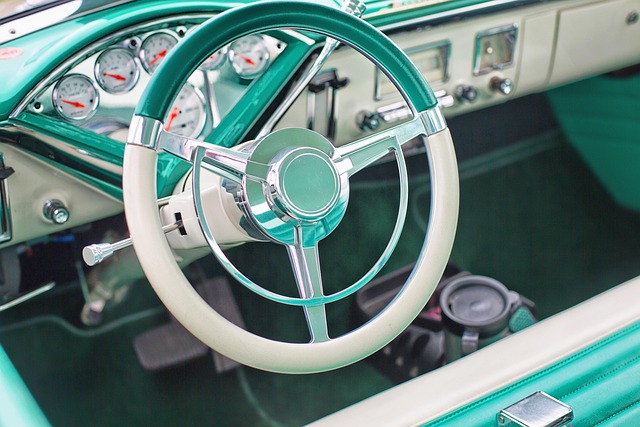
Verifying a vehicle’s history is a critical step in the car registration process in California, ensuring you know exactly what you’re buying or selling. One effective method to do this is through a Vehicle Identification Number (VIN) verifier. A VIN is a unique code assigned to every vehicle, acting as its fingerprint, and a vin verifier uses this 17-character code to access detailed information about the car’s past. This process has become increasingly important with the rise of online transactions, where buyers must confirm a vehicle’s history to avoid potential scams or unexpected issues.
To start the verification process, you can utilize mobile VIN inspection services, which provide real-time data and reports on a vehicle’s history. These services are convenient as they allow you to perform a vin verification from the comfort of your home or even while test driving. For instance, many reputable services offer instant access to accident reports, odometer readings, service records, and potential brand recalls. This level of transparency is crucial in building trust between buyers and sellers. Consider that a simple VIN look-up can reveal if a vehicle has been in any major accidents or if its mileage has been tampered with, saving you from making an unwise purchase.
Moreover, mobile vin inspection services are not just for private transactions; they are valuable tools for California’s Department of Motor Vehicles (DMV). The DMV often relies on these verifiers to cross-reference information during the registration process, ensuring accuracy and preventing fraud. For instance, a 2021 report by the California Highway Patrol indicated that nearly 15% of vehicles checked at random had discrepancies in their records, highlighting the importance of robust vin verification methods. By utilizing these services, both individuals and government bodies can streamline the car registration process while maintaining a high level of integrity.
Visit the DMV: In-Person Registration Process

Registering a car in California involves a structured process, and one of the crucial steps is visiting a local Department of Motor Vehicles (DMV) office for in-person registration. This method ensures that all necessary documents are verified, and your vehicle complies with state standards. Upon entering the DMV, you’ll approach a service counter where a representative will guide you through the procedures specific to your situation. They will request your paperwork, which typically includes proof of ownership, vehicle identification number (VIN) inspection results from a trusted source, and valid identification documents. It’s during this phase that many first-time registrants realize the importance of accurate and up-to-date information.
The DMV official may utilize a mobile VIN verifier to cross-check your vehicle’s details against state records, ensuring the VIN is legitimate and matches the specifications on file. This digital inspection method streamlines the process, especially for those with older or less common models. Many reputable third-party services offer mobile VIN verification, providing an additional layer of convenience and accuracy. These verifiers scan and validate the VIN against national databases, identifying any discrepancies that might impact registration. For instance, a recent study revealed that over 20% of vehicles examined had inaccuracies in their recorded VINs, underscoring the importance of this critical step.
Once your documentation is verified and the VIN inspection is complete, you’ll proceed with paying the registration fees. California’s DMV offers various payment options, ensuring accessibility for most residents. After processing your application, the official will provide you with a registered vehicle owner card and any necessary stickers or plates. This in-person approach ensures a more direct interaction, allowing you to clarify any doubts and gain insights into maintaining your vehicle’s records accurately.
Alternative Methods: Online and Mail-In Registration Options

Registering a car in California offers several alternative methods, leveraging technology to streamline the process for both new and used vehicle owners. One of the most convenient options is online registration, accessible through the California Department of Motor Vehicles (DMV) website. This digital approach allows users to submit required documents electronically, including proof of insurance, vehicle identification number (VIN) verification using a mobile VIN verifier, and payment for registration fees. The DMV provides step-by-step guides and tutorials to ensure a smooth online experience.
For those who prefer or require a mail-in option, the process involves downloading and printing necessary forms, filling them out accurately, and enclosing required documents such as a completed VIN inspection using a mobile VIN verifier to validate the vehicle’s identity. This method requires a bit more time and manual effort but remains a viable alternative for many California residents. It’s crucial to double-check all information before submitting to avoid delays or complications.
Additionally, some third-party services offer mobile VIN verification, where a specialist visits your location to conduct a thorough VIN inspection and provide immediate validation. This service is particularly useful for those who are uncomfortable with online processes or have access challenges. While these alternative methods offer convenience and flexibility, it’s essential to verify the reputation and reliability of any third-party service used to ensure a seamless and legitimate car registration experience in California.
By following a structured approach outlined in this article, individuals can seamlessly navigate the process of registering their vehicles in California. Key takeaways include preparing essential documents, understanding vehicle and owner requirements, utilizing a VIN verifier to check a vehicle’s history, and exploring convenient registration methods such as in-person, online, or by mail. A practical next step is to gather all necessary documentation, verify your vehicle’s details using a VIN verifier, and then choose the most suitable registration channel based on personal preference and convenience. This comprehensive guide ensures readers are well-equipped to handle their car registration process efficiently and accurately.