

Registering a car in California is a necessary step for every new vehicle owner, yet it can be a complex process, filled with paperwork and regulations. Many find themselves navigating a maze of requirements, unsure where to begin. This authoritative guide aims to demystify the process, offering clear instructions on how to register your car in California, ensuring compliance with state laws. We’ll delve into every step, from gathering essential documents to utilizing reliable tools like the DMV VIN verifier, empowering you to complete the registration smoothly and efficiently.
- Prepare Required Documents for Car Registration
- Visit the California DMV: Step-by-Step Guide
- Verify Vehicle Identity Using DMV VIN Verifier
- Complete Application and Pay Registration Fees
- Receive Your Car's Registration and License Plate
Prepare Required Documents for Car Registration

Before you can register your car in California, ensuring you have all the required documents is paramount. The California Department of Motor Vehicles (DMV) requires a significant array of information to verify ownership and vehicle identity. One crucial step in this process involves obtaining a Vehicle Identification Number (VIN) inspection or verification, which can be done through a DMV vin verifier or mobile VIN inspection service.
For instance, when purchasing a used car, you’ll need the seller’s signed title, proof of identification, and the vehicle’s VIN. The latter is essential as it uniquely identifies your car and is often found on the dashboard near the driver’s side door or on the engine block. A mobile VIN inspection can be particularly handy in these situations, allowing you to verify the vehicle’s history and potential issues remotely before finalizing the purchase. This service uses advanced technology to cross-reference the provided VIN with numerous databases, including those maintained by the DMV and National Motor Vehicle Title Information System (NMVTIS).
In addition to a mobile or stationary VIN inspection, other necessary documents may include a current registration certificate (if transferring ownership), proof of insurance, and emissions test results. It’s essential to check the specific requirements based on your vehicle type, age, and usage, as some vehicles might have additional or different documentation needs. By preparing these documents in advance, you’ll streamline the car registration process at your local California DMV office.
Visit the California DMV: Step-by-Step Guide

To register your car in California, you’ll need to visit a local California Department of Motor Vehicles (DMV) office. This process involves several steps, including verifying your Vehicle Identification Number (VIN). A DMV VIN verifier, whether mobile or stationary, plays a crucial role in ensuring the accuracy and security of this critical information.
First, gather all necessary documents, such as proof of ownership, vehicle registration from another state, and insurance cards. Then, locate a nearby California DMV office. You can do this by checking their official website, which provides detailed information on each branch’s location and operating hours. Upon arrival, park your car and head inside. A representative will guide you through the process, assisting with VIN verification as needed.
During your visit, you’ll be required to complete an application for vehicle registration. This form asks for personal details, vehicle specifications, and other pertinent information. Here’s where a mobile VIN verifier or stationary one at the DMV comes into play. It ensures that the VIN provided on your car matches the records in their system, significantly reducing the risk of fraud or errors. For instance, some mobile apps offer real-time VIN verification, allowing you to check the vehicle history before submitting your application. This step helps streamline the process and minimizes delays.
Once your application is approved, the DMV will issue a registration certificate and license plate. Ensure that all details are accurate, especially the VIN, as it’s critical for future vehicle transactions and safety inspections. Remember, proper VIN verification through mobile or stationary methods is not just a formality but a necessary step to maintain California’s robust vehicle registration system.
Verify Vehicle Identity Using DMV VIN Verifier
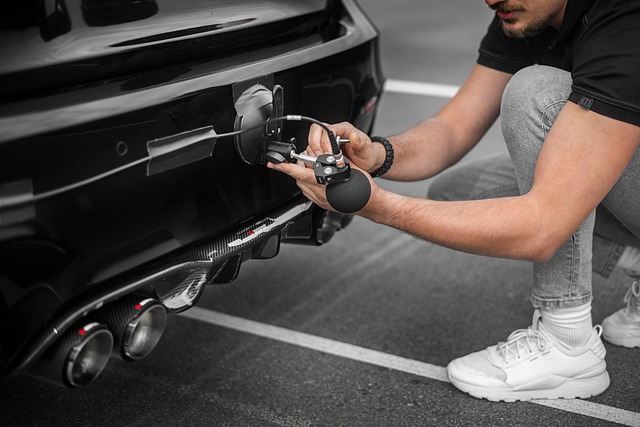
Verifying the identity of your vehicle is a critical step in the car registration process in California. One effective method is using the DMV’s (Department of Motor Vehicles) Vehicle Identification Number (VIN) Verifier tool. This digital solution allows for convenient and accurate VIN inspection, ensuring that your vehicle matches the information on record. By accessing this free service, you can confirm essential details such as the make, model, year, and even previous ownership history, all of which are crucial for a successful registration.
The process is straightforward; simply locate the unique 17-character VIN found on your vehicle’s chassis or in its documentation, then input it into the DMV vin verifier. This mobile vin verification tool will cross-reference the provided data with the state’s database, delivering a comprehensive report. For instance, the system can reveal if the vehicle has been reported stolen, if there are outstanding recalls, or if the mileage indicated is accurate, providing peace of mind before committing to registration. Moreover, this method helps prevent fraud and ensures that only legitimate vehicles enter the California registry.
Accurate VIN inspection isn’t just a regulatory requirement; it’s an essential step in protecting yourself as a car owner. Using a mobile vin verifier can save time and effort compared to traditional methods. It also reduces potential errors that could arise from manual paperwork checks, making the registration process more efficient. So, before submitting your application, ensure you’ve utilized this simple yet powerful tool for seamless and lawful California car registration.
Complete Application and Pay Registration Fees

To complete the registration process in California, you’ll need to submit a comprehensive application along with paying the required registration fees. The California Department of Motor Vehicles (DMV) offers several ways to apply, including online and in-person visits. If you choose to go digital, you can initiate the process through the DMV’s official website, where they provide step-by-step instructions for each method. One crucial step involves using a DMV VIN verifier to ensure accurate vehicle identification. This verification process, often done via mobile vin inspection, helps prevent fraud and ensures all details are correct before registration.
During the application, you’ll be required to provide essential information about your vehicle, such as its make, model, year, and unique Vehicle Identification Number (VIN). It’s crucial to have this VIN readily available, as it plays a central role in the verification process. Many applicants opt for mobile vin inspection, allowing them to quickly and easily capture their VIN using their smartphones. This modern approach streamlines the registration journey, especially for those with busy schedules or limited mobility.
After submitting your application, you’ll need to pay the registration fees. These costs vary depending on various factors, including the type of vehicle and its age. California offers a range of payment options, ensuring convenience for all applicants. Once your application is approved and fees are paid, you’ll receive your registration documents, marking the official completion of the registration process. This whole procedure typically takes several business days, during which you may receive updates or requests for additional information from the DMV.
Receive Your Car's Registration and License Plate

After completing the necessary paperwork and passing any required inspections, the next step in registering your car in California is to receive your vehicle’s registration and license plate. This process involves several key steps to ensure accuracy and compliance with state regulations. First, you’ll need to obtain a Vehicle Identification Number (VIN) verifier from the California Department of Motor Vehicles (DMV). The DMV offers both in-person and online services for this purpose, including a mobile VIN verifier that can be used for a convenient, on-site inspection.
When using a mobile VIN inspection tool, a trained professional will verify the authenticity of your vehicle’s VIN by cross-referencing it with state databases. This step is crucial because the VIN serves as a unique identifier for your car and is essential for issuing accurate registration documents. In California, it’s not uncommon for vehicles to have had previous owners, so ensuring the VIN’s integrity is vital to prevent fraud or unauthorized use. Once the VIN has been verified, you’ll be issued a registration certificate and a pair of license plates tailored to your vehicle’s make, model, and year.
Before receiving your plates, it’s advisable to familiarize yourself with California’s specific licensing requirements. For instance, certain vehicles may have additional fees or inspections due to their age or type. By understanding these stipulations in advance, you can streamline the registration process and avoid potential delays. Remember that proper documentation and accurate information are key to ensuring a smooth transaction during your car’s registration at the DMV.
Registering a car in California involves several crucial steps, from preparing necessary documents to receiving your vehicle’s registration and license plate. Key takeaways include ensuring all required paperwork is complete, accurately verifying your vehicle’s identity using the DMV VIN Verifier, and fulfilling all application and fee requirements. This process, detailed in our comprehensive guide, empowers you to navigate the California DMV efficiently. By following these steps, you’ll not only ensure legal compliance but also gain peace of mind knowing your car’s registration is secure and up-to-date.