

Registering a car in California is a vital process ensuring legal operation on state roads. However, navigating the procedures can be daunting for new vehicle owners. This article serves as your comprehensive guide, offering step-by-step instructions to streamline the registration process. From gathering essential documents to understanding fees and requirements, we’ll equip you with the knowledge needed. Key to this process is accurate Vehicle Identification Number (VIN) verification, ensuring a smooth experience and peace of mind. By following our expert advice, you’ll efficiently register your car, avoiding potential delays or complications.
- Understand California Car Registration Requirements
- Gather Necessary Documents for Vehicle Registration
- Complete the California Car Registration Application Form
- Perform VIN Verification for Accurate Data Entry
- Submit and Pay for Your California Car Registration
Understand California|act|CARS act Car Registration Requirements

Registering a car in California involves adhering to specific requirements aimed at ensuring vehicle safety and tracking. Understanding these mandates is crucial before initiating the registration process. Firstly, all vehicles must undergo a comprehensive safety inspection to comply with state standards. This inspection verifies critical components like brakes, lighting, and safety equipment, ensuring your car meets the required safety thresholds. Additionally, California law mandates that you provide proof of insurance during registration.
One key aspect often overlooked is Vehicle Identification Number (VIN) verification. This unique 17-character code serves as a digital fingerprint for your vehicle, facilitating accurate tracking and authentication. In California, VIN verification is typically conducted through mobile vin inspection or mobile vin verification services. These methods offer convenience by enabling the check at your location, whether at home or during a test drive. For instance, many auto repair shops or specialized mobile services can perform this check using advanced technology to ensure the VIN is legitimate and matches the vehicle’s components.
Moreover, California’s Department of Motor Vehicles (DMV) emphasizes the importance of accurate ownership records. During registration, you’ll need to provide proof of identity and residency, along with the previous owner’s information if applicable. This meticulous approach ensures that each vehicle is properly documented, aiding in the prevention of fraud and ensuring a transparent car ownership experience. By combining thorough VIN verification with precise record-keeping, California maintains a robust system for car registration, enhancing safety and consumer protection.
Gather Necessary Documents for Vehicle Registration
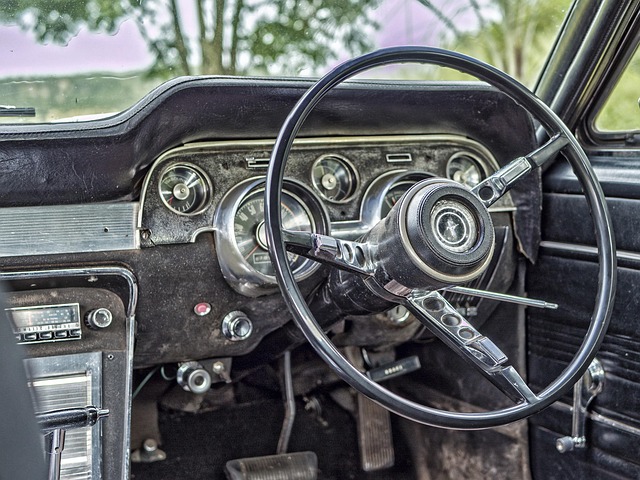
Registering a car in California involves a meticulous process, and one of the critical initial steps is gathering all the essential documents for vehicle registration. This phase sets the foundation for a smooth and legally compliant ownership experience. Among these documents, the Vehicle Identification Number (VIN) verification stands out as a crucial element. It’s not just about collecting papers; it entails ensuring the VIN’s accuracy through official channels, such as utilizing a mobile VIN inspection service.
For instance, when acquiring a used vehicle, buyers should request a comprehensive history report and a current VIN inspection from a trusted mobile VIN verifier. This practice is essential because a car’s history can significantly impact its safety and value. California’s Department of Motor Vehicles (DMV) recommends this due diligence to prevent fraud and ensure consumer protection. Moreover, having a recent VIN inspection report facilitates the registration process, as it provides proof of vehicle authenticity and condition.
Other documents required for registration include the title certificate (or bill of sale), proof of insurance, and valid identification. It’s crucial to maintain these records in order, as they might be requested during inspections or future transactions. The DMV offers various resources to aid in this process, including detailed guides on their website that walk applicants through every step, ensuring compliance with California’s specific requirements.
Complete the California Car Registration Application Form

Registering a car in California involves several crucial steps, and one of the key components is completing the California Car Registration Application Form accurately. This form, often referred to as the DVW-140, serves as your official document for registering your vehicle with the California Department of Motor Vehicles (DMV). It’s essential to ensure every detail is precise, including the Vehicle Identification Number (VIN), which plays a vital role in the verification process. VIN verification is a critical step in ensuring the authenticity and history of your car, making it easier to detect potential issues or fraud.
When filling out the DVW-140, pay close attention to the fields related to the vehicle’s identification number. This unique 17-character code is the key to unlocking detailed information about your car, such as its make, model, year, and even previous ownership history. To facilitate this process, consider utilizing a mobile VIN inspection service or a reputable online VIN verifier. These tools allow you to quickly and accurately capture and verify the VIN, saving you time and potential errors. For instance, many mobile vin inspection services can be conducted right from your smartphone, providing immediate feedback on any discrepancies.
Additionally, ensure that all other required information is complete and accurate, including ownership details, vehicle description, and proof of insurance. Inaccurate or missing data may lead to delays in processing your registration, so double-check every field before submission. Remember, a properly completed California Car Registration Application Form, coupled with efficient VIN verification through mobile services, will streamline the registration process, ensuring a smooth transition for your newly registered vehicle on California’s roads.
Perform VIN Verification for Accurate Data Entry

To register a car in California, accurate data entry is paramount. A crucial step often overlooked is performing a Vehicle Identification Number (VIN) verification to ensure all information is correct and up-to-date. The VIN serves as a unique fingerprint for your vehicle, containing vital details about its make, model, year, and production specifications. An incorrect or missing VIN can lead to registration delays or even rejection, causing unnecessary hassle.
Consequently, consider utilizing mobile VIN inspection services that offer on-site verifications. These services send a professional to your location with the necessary equipment to perform a comprehensive VIN check. For instance, a mobile VIN verifier can cross-reference your vehicle’s data against state records and industry databases, ensuring consistency and accuracy. This approach is particularly beneficial for classic cars or vehicles with modified histories, where traditional documentation might be unreliable.
By embracing mobile VIN inspection, you streamline the registration process, saving time and effort. Moreover, it enhances the overall accuracy of California’s vehicle record-keeping system, benefiting both consumers and regulators. Remember that an honest and precise VIN verification is a foundational step in ensuring your car’s legal status and safety on California roads.
Submit and Pay for Your California Car Registration

To complete the registration process for your vehicle in California, you’ll need to submit and pay for your car’s registration. This involves several key steps that require careful attention to detail. Once you’ve gathered all necessary documents and information, including your Vehicle Identification Number (VIN), you can proceed with the application. The VIN is a crucial piece of data used for identification purposes, and its verification is essential during the registration process.
One efficient method to ensure accurate VIN verification is through mobile VIN verification services. These services offer a convenient way to confirm your vehicle’s details by providing a digital inspection using just your smartphone. This modern approach streamlines the traditional process, reducing potential errors and saving time for both you and the California Department of Motor Vehicles (DMV). By leveraging technology like mobile VIN verifiers, you can ensure that your car’s registration is processed smoothly.
During submission, make sure all forms are accurately filled out, with correct information about ownership transfer, vehicle details, and any applicable fees. Payment options typically include credit card or check, and it’s essential to have these ready before initiating the transaction. After successful submission and payment, you’ll receive your registration documents, which should be kept up-to-date for future reference and during routine VIN inspections. Regular compliance with California’s registration requirements ensures your vehicle remains legally operational.
By following these straightforward steps—from understanding California’s registration requirements to submitting your application and paying the associated fees—you can successfully navigate the process of registering your vehicle. Ensuring accurate data entry, especially during VIN verification, is paramount for a seamless experience. This article equips you with the knowledge to confidently register your car in California, allowing you to hit the road legally and with peace of mind.