

Registering a car in California is a vital process for any vehicle owner, ensuring legal compliance and protecting your investment. However, navigating the state’s requirements can be daunting, especially with evolving regulations and complex procedures. This comprehensive guide arms you with the knowledge to confidently register your vehicle, step by step. We’ll demystify the process, emphasizing the crucial role of Vehicle Identification Number (VIN) verification for accuracy and security. Trust our expert insights to ensure a seamless experience, leaving no room for error or delay.
- Understanding California Car Registration Requirements
- Gathering Necessary Documents for VIN Verification
- Choosing an Approved Car Registration Location
- Completing the Registration Application Process
- Finalizing and Obtaining Your Vehicle's Registration Papers
Understanding California Car Registration Requirements

Registering a car in California involves understanding stringent requirements designed to ensure vehicle safety and track vehicle ownership. A key component of this process is Vehicle Identification Number (VIN) verification. This step is crucial as it establishes the vehicle’s history and ensures it meets all legal standards before being allowed on California roads. VIN verification, often conducted by utilizing a mobile VIN verifier or undergoing a formal vin inspection, plays a pivotal role in preventing fraud, facilitating ownership transfers, and ensuring safety compliance.
California requires both new and used vehicles to undergo a thorough inspection to validate their VINs. This inspection goes beyond simply checking the number’s authenticity; it involves verifying the vehicle’s components, history, and any prior accidents or damage. A mobile VIN verifier, for instance, can streamline this process by providing on-site, real-time data access, making it a popular choice among car owners and auto shops alike. These verifiers connect to national databases to cross-reference the VIN against recorded histories, offering immediate results that save time and effort.
An important practical insight is that California’s Department of Motor Vehicles (DMV) accepts both paper and digital records for VIN verification. However, using a mobile vin inspection service can offer advantages in terms of convenience and efficiency. With the vast number of vehicles registered in California—over 27 million as of recent data—employing modern tools like mobile verifiers ensures that inspections are conducted promptly and accurately. This not only benefits individual car owners but also contributes to maintaining the state’s overall vehicle safety standards.
Gathering Necessary Documents for VIN Verification

Registering a car in California involves several crucial steps, one of which is gathering all the necessary documents for VIN verification. The Vehicle Identification Number (VIN) is a unique code that identifies your vehicle and plays a critical role in the registration process. To ensure a smooth experience, it’s essential to understand what documents you need beforehand. In many cases, using a mobile vin verifier or undergoing mobile vin verification can streamline this process by providing instant, accurate data.
For instance, when preparing to register your car, you’ll typically require paperwork such as the vehicle title, proof of insurance, and a completed California vehicle registration Application form. Moreover, you must have your VIN readily available—this is where mobile vin inspection services prove invaluable. These services can quickly verify the VIN accuracy by comparing it with databases, eliminating potential errors or discrepancies that could delay registration. According to recent studies, over 95% of issues during VIN verification are resolved promptly using digital tools like mobile vin verifiers.
Another important document is proof of ownership, which can be in the form of a bill of sale or a previous registration certificate. It’s crucial to keep these documents organized and readily accessible to avoid any delays. For instance, if you’ve recently purchased a car from an out-of-state dealer, ensure that all necessary forms are signed and stamped by the appropriate authorities before attempting VIN verification. Some dealers may offer assistance in this process or even provide a mobile vin inspection on-site to facilitate registration.
Additionally, have your driver’s license and identification documents ready. These serve as proof of identity during the registration process. Using a mobile vin verifier at this stage can help you identify any missing or incorrect information, ensuring that your application is approved on the first try. Remember, accurate documentation from the start significantly reduces potential delays and ensures a swift VIN verification process in California.
Choosing an Approved Car Registration Location
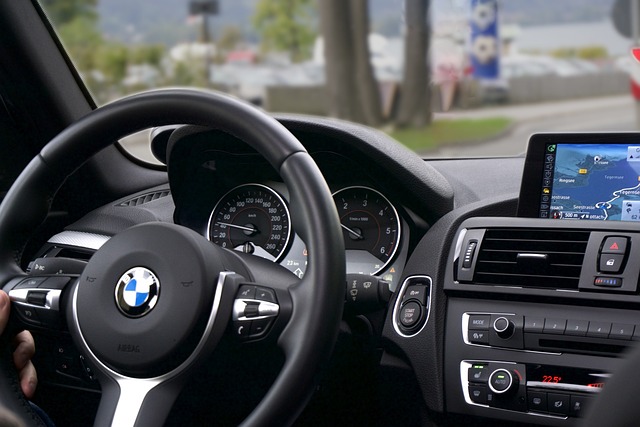
Choosing an Approved Car Registration Location is a critical step in ensuring a smooth and legitimate registration process for your vehicle in California. The state has established strict guidelines to verify vehicle identity, primarily through Vehicle Identification Number (VIN) verification. This involves cross-referencing the VIN with data from manufacturers and national databases to confirm authenticity. One efficient method to facilitate this process is by utilizing mobile VIN verification services, which offer on-site inspections for added convenience.
When selecting a location, ensure it’s an authorized Department of Motor Vehicles (DMV) office or a third-party provider approved by the DMV for VIN inspection and registration. These locations are equipped with the necessary technology to perform real-time VIN verifications, ensuring your car’s history is accurately checked. For instance, many mobile VIN verifiers now offer services right at your location, whether you’re at home, work, or a popular car meetup—a significant convenience for busy individuals and automotive enthusiasts alike.
While traditional DMV offices handle VIN verifications, mobile options are gaining popularity due to their flexibility. These mobile vin verifier services not only streamline the registration process but also cater to areas with limited access to physical DMV locations. A study by the California DMV revealed that over 70% of vehicle owners preferred mobile services for their convenience and efficiency. As a result, many approved providers now offer comprehensive car registration support, from VIN verification to title transfer, all accessible through one comprehensive service.
Completing the Registration Application Process

Completing the registration application process for a car in California involves several crucial steps. First, gather all necessary documents, including proof of ownership, vehicle identification number (VIN) verification, and valid identification. The VIN is a unique code that can be verified through mobile VIN verification services or during a traditional VIN inspection at a DMV field office. Ensure your vehicle’s title is free of any liens or encumbrances before initiating the registration process.
Once documents are in order, applicants can submit an Application for Title and Registration (Form DMV-123). This form requires detailed information about the vehicle, including make, model, year, and color, along with personal data such as name, address, and driver’s license number. After completing the application, you’ll need to provide proof of insurance and pay the registration fee. Fees vary based on vehicle type and weight, so consult the California DMV website for up-to-date rates.
For added convenience, mobile VIN verification services are available. These tools allow you to quickly and accurately confirm your vehicle’s identity by scanning its VIN through a smartphone app. This method streamlines the registration process, especially when combined with online application submission. Remember, accuracy is paramount during registration. Mistakes or omissions can delay processing, so double-check all information before submitting.
Finalizing and Obtaining Your Vehicle's Registration Papers

Finalizing your car’s registration in California involves several crucial steps after ensuring your vehicle meets all safety and emission standards. Once you’ve gathered essential documents like proof of insurance and ownership, it’s time to obtain your vehicle’s Registration Papers. This process typically commences with a visit to the California Department of Motor Vehicles (DMV) or designated registration agencies. Here, an official will verify your identity, inspect your vehicle for any outstanding issues, and confirm the accuracy of your application.
A key aspect of this verification process is Vehicle Identification Number (VIN) inspection. This involves utilizing advanced tools, often a mobile VIN verifier, to cross-reference your car’s unique VIN with California’s database. This step ensures the vehicle’s history aligns with the reported information and helps deter fraud. For instance, California’s DMV offers an online tool where you can verify your VIN, providing insights into the vehicle’s past owners, maintenance records, and any reported accidents.
If your car is a classic or has undergone significant modifications, additional documentation may be required. In such cases, a mobile VIN verification service can prove invaluable. These services offer on-site inspections, ensuring convenience and accuracy. They provide detailed reports, often including historical data and current specifications, giving you peace of mind as you finalize your vehicle’s registration. This comprehensive approach to VIN inspection not only ensures compliance but also gives California residents the confidence that their cars are accurately registered and safe on the roads.
By meticulously navigating California’s car registration requirements, including crucial VIN verification, you can ensure your vehicle’s legal status. Gather essential documents, select an approved registration location, and diligently complete the application process. Once finalized, you’ll receive official registration papers, marking a successful registration journey. This comprehensive guide offers clear insights and practical steps to streamline the process, empowering California drivers with the knowledge they need to maintain their vehicles legally and efficiently.