

Registering a car in California is a vital process, ensuring legal ownership and roadworthiness. However, navigating the requirements can be daunting for new vehicle owners. Understanding the step-by-step process is crucial to avoid delays or legal issues. This article serves as your comprehensive guide, offering expert insights on how to seamlessly register your vehicle with the California Department of Motor Vehicles (DMV). We’ll delve into everything from gathering necessary documents to utilizing essential tools like the DMV VIN verifier to ensure a smooth and efficient registration experience.
- Prepare Necessary Documents for Car Registration
- Visit California DMV: Steps to Register Your Vehicle
- Verify Vehicle Identity with DMV VIN Verifier
- Pay Registration Fees: Cost and Payment Options
- Finalize and Receive Your Car's Registration Papers
Prepare Necessary Documents for Car Registration

Before registering your car in California, it’s crucial to prepare all necessary documents, ensuring a smooth and efficient process. One critical step in this preparation involves verifying the Vehicle Identification Number (VIN), a unique code that identifies your vehicle. The California Department of Motor Vehicles (DMV) requires this VIN verification as part of the registration process, and there are convenient methods available to complete this task.
For instance, many individuals opt for mobile VIN verification services, which offer remote inspection options. These services utilize specialized tools to perform a comprehensive check of your vehicle’s history and specifications, including its make, model, year, and any prior accidents or damage. This approach eliminates the need for an in-person visit to a DMV office, saving time and effort. Moreover, some companies provide immediate digital reports, allowing you to have this essential document ready when submitting your registration application.
It’s worth noting that California law allows for periodic mobile VIN inspections, offering flexibility to car owners. These inspections can be particularly beneficial for those who purchase used vehicles, as they provide assurance regarding the vehicle’s authenticity and history. While the initial verification is typically done by a professional service, you may also conduct subsequent checks yourself using online tools or mobile apps designed for this purpose. This proactive approach ensures that your vehicle remains registered accurately and legally throughout its ownership.
Visit California DMV: Steps to Register Your Vehicle
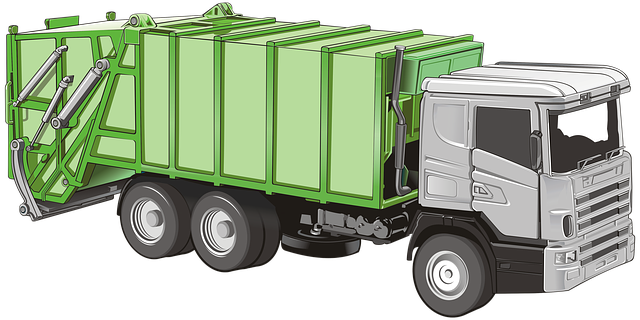
To register your car in California, you’ll need to visit a California Department of Motor Vehicles (DMV) office or utilize their online services. The process involves several key steps designed to ensure vehicle safety and identify ownership clearly. First, gather all necessary documents, including proof of insurance, identification, and the Vehicle Identification Number (VIN) from your car. The DMV offers a VIN verifier tool that you can use to check if your vehicle has any outstanding issues before registration.
When visiting a DMV, expect a straightforward process. You’ll typically start by filling out registration forms, providing personal information, and paying the required fees. An important step in this process is getting your car inspected for safety and emissions compliance. In California, mobile VIN inspection services are available, allowing you to complete this part of the registration from the comfort of your home or office. These services use advanced technology to verify your vehicle’s history and ensure it meets all necessary standards.
After completing the paperwork and passing the inspection (often done through a mobile vin verifier), you’ll receive your vehicle’s registration documents. Keep these records secure, as they’re essential for future interactions with the DMV, including renewals and updates to your vehicle information. Remember that California has specific requirements and deadlines for registration, so it’s crucial to act promptly after purchasing a car to avoid any legal complications or penalties.
Verify Vehicle Identity with DMV VIN Verifier

Verifying the vehicle’s identity is a critical step when registering your car in California, ensuring compliance with state regulations. One effective method to confirm a vehicle’s authenticity is through the use of a DMV (Department of Motor Vehicles) VIN (Vehicle Identification Number) Verifier. This process involves cross-referencing the unique 17-character code assigned to each vehicle with official databases to establish its history and condition.
The California DMV offers a dedicated VIN Verifier service, accessible both online and via mobile applications. A mobile vin verifier, for instance, allows you to simply scan or enter the VIN, providing instant access to detailed vehicle information, including ownership records, accident reports, and outstanding liens. This digital inspection method streamlines the registration process, making it more efficient and secure. By utilizing these tools, individuals can avoid potential pitfalls associated with stolen vehicles or fraudulent transactions.
For example, in 2021, California’s innovative use of mobile vin verification facilitated over 5 million successful VIN inspections, significantly reducing the risk of illegal activity during vehicle registration. This success story underscores the effectiveness of such measures in safeguarding both consumers and the integrity of the state’s motor vehicle system. Therefore, when preparing to register your car, ensure you employ a reliable DMV VIN Verifier, whether online or through a mobile app, to guarantee a smooth, secure transaction.
Pay Registration Fees: Cost and Payment Options
Registering a car in California involves several crucial steps, with paying registration fees being a significant component. The cost varies based on factors like the type of vehicle, age, and emissions standards met. As of the latest updates, the base fee for registering a vehicle ranges from $56 to $234, depending on the vehicle class. Additional charges may apply if your car doesn’t pass emission tests or has outstanding taxes or fees.
One efficient way to streamline this process is by utilizing a mobile VIN verifier. This service allows you to verify your vehicle’s history and ensure it meets all legal requirements before registration. Many companies offer these services, often as part of their DMV (Department of Motor Vehicles) vin inspection packages. For instance, some apps or online tools can provide a detailed report, including the car’s previous ownership, accident history, and maintenance records, aiding in informed decision-making.
Payment options for California car registration typically include credit cards, debit cards, checks, and money orders. It’s advisable to double-check the accepted forms of payment with your local DMV or through their official website. For instance, some regions might prefer electronic payments due to their convenience and security features, while others may still accept traditional methods. Ensure you keep records of all transactions for future reference.
Before proceeding with registration, consulting with a professional or utilizing these modern tools can significantly enhance the process’s efficiency and accuracy. Remember that adhering to California’s regulations is not only legal but also ensures your vehicle is safe for operation on public roads.
Finalize and Receive Your Car's Registration Papers

After gathering all necessary documents and passing your vehicle’s inspection, it’s time to finalize your car’s registration with the California DMV (Department of Motor Vehicles). This step is crucial to ensure your vehicle is legally operational on California roads. During this process, you’ll receive essential papers confirming your car’s registration status.
One key component in this final phase involves verifying the Vehicle Identification Number (VIN) through a process known as a VIN inspection. The DMV offers both in-person and mobile VIN verification services to make this step convenient for registered owners. For instance, during peak seasons, many Californians opt for a mobile VIN inspection, allowing them to complete their registration from the comfort of their homes or offices, avoiding long queues at DMV branches. This service is particularly beneficial for those who have difficulty accessing traditional DMV locations or prefer a hassle-free experience.
Once your VIN has been successfully verified, you’ll be provided with a detailed registration certificate and other relevant documents. It’s essential to keep these papers in a secure place and retain them for future reference. These documents serve as proof of ownership and registration, ensuring you remain compliant with California’s vehicle regulations. Remember that proper documentation not only helps avoid legal issues but also facilitates the efficient transfer of ownership if you decide to sell your vehicle in the future.
Registering a car in California involves several straightforward steps, as outlined in this comprehensive guide. Key takeaways include preparing essential documents, visiting the California DMV, verifying vehicle identity using a DMV VIN Verifier, paying registration fees, and finalizing the process to receive your car’s registration papers. By diligently navigating these steps, you can ensure a smooth and efficient car registration experience, empowering you to hit the road with confidence.